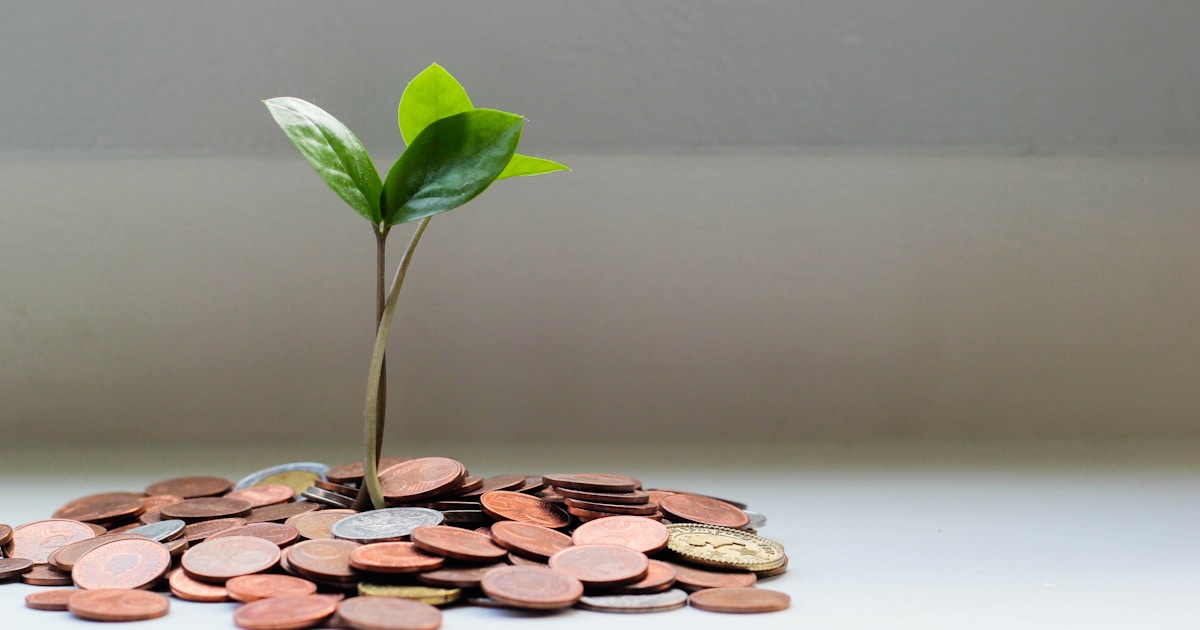
Emergency Funds: How Much Money Should You Save?
Meta Description: Learn what an emergency fund is, how much you should save, where to keep it, and how to build financial protection for unexpected expenses.
Primary Keyword: emergency fund
Unexpected expenses are a normal part of life. A car may need an expensive repair, a major household appliance may stop working, or your income could temporarily decrease. Without savings, these situations can force you to rely on credit cards or loans.
An emergency fund provides a financial safety net for these situations. It is money set aside specifically for unexpected and necessary expenses.
Building an emergency fund does not happen overnight. For many people, the process starts with a small amount and grows gradually. The important thing is to establish the habit of saving and keep the money available when it is genuinely needed.
What Is an Emergency Fund?
An emergency fund is a dedicated amount of money reserved for unexpected financial needs.
It is different from money you save for planned expenses.
For example, money saved for a vacation is not an emergency fund. Neither is money set aside for a new television or a planned home renovation.
An emergency fund is intended for situations such as:
- Unexpected medical expenses
- Emergency vehicle repairs
- Urgent home repairs
- Temporary loss of income
- Essential family expenses
- Other unexpected financial emergencies
The purpose is to give you a source of money without immediately turning to expensive debt.
Why Is an Emergency Fund Important?
Without emergency savings, an unexpected expense can disrupt your entire budget.
Imagine that your monthly income is enough to cover your regular expenses, but your car suddenly requires a $1,500 repair.
If you do not have savings, you may need to use a credit card or take out a loan.
That can create additional interest and fees.
An emergency fund gives you another option.
Having accessible savings can also provide peace of mind. Knowing that you have money available for unexpected situations can make financial planning less stressful.
How Much Should You Save?
There is no single emergency fund amount that works for everyone.
A common long-term target is enough money to cover several months of essential living expenses.
For example, if your essential monthly expenses are $2,500, then:
- 3 months = $7,500
- 6 months = $15,000
These figures are examples rather than universal requirements.
Your ideal emergency fund may be larger or smaller depending on your income stability, household responsibilities, debt, employment situation, and access to other resources.
Start With a Small Emergency Fund
If you currently have no savings, looking at a six-month target can feel overwhelming.
Instead, start with a smaller goal.
You might begin with:
- $500
- $1,000
- One month’s essential expenses
Once you reach your initial target, continue building your savings.
The first goal is not perfection. It is creating a financial cushion that can handle smaller emergencies without requiring new debt.
Emergency Fund vs. Regular Savings
Both accounts hold money, but they serve different purposes.
Regular savings might be used for planned expenses such as:
- Holidays
- New furniture
- Education
- Electronics
- Vehicle purchases
- Home improvements
An emergency fund is reserved for unexpected and necessary expenses.
Keeping these goals separate can make it easier to determine when you should use your emergency savings.
Where Should You Keep an Emergency Fund?
An emergency fund should generally be accessible when you need it.
Depending on your location and available financial products, an appropriate option may be a savings account or another relatively low-risk, liquid account.
The main priorities are:
Accessibility: You should be able to access the money when an emergency occurs.
Safety: Emergency savings are generally not money you want exposed to substantial market fluctuations.
Separation: Keeping emergency savings separate from everyday spending can reduce the temptation to use it unnecessarily.
The exact account options depend on your country and financial institution.
Should You Invest Your Emergency Fund?
Emergency savings generally serve a different purpose from long-term investments.
Money you may need unexpectedly should generally be kept in a place where it can be accessed without having to sell investments during a market downturn.
For example, if the stock market falls sharply when you experience an emergency, selling investments at that time could mean realizing a loss.
Your emergency fund is primarily about financial stability and accessibility rather than maximizing investment returns.
How to Build an Emergency Fund
Building savings becomes easier when you create a specific plan.
Set a Target
Choose an initial amount.
For example:
“I want to save $2,000 for emergencies.”
Having a specific target makes progress easier to measure.
Determine a Monthly Amount
Divide your target by the number of months in your desired timeframe.
If your goal is $2,000 and you want to reach it in 10 months:
$2,000 ÷ 10 = $200 per month.
Automate the Savings
Set up an automatic transfer after receiving your income.
Even a smaller amount can help if you maintain it consistently.
Direct Extra Income Toward Savings
Consider putting part of bonuses, gifts, refunds, or additional income into your emergency fund.
Reduce Unnecessary Expenses
Temporarily reducing discretionary spending can help you reach your target faster.
What Counts as a Financial Emergency?
Not every unexpected purchase is an emergency.
A financial emergency generally involves an unexpected and important expense that cannot reasonably wait.
Examples might include:
Unexpected Medical Costs
An urgent medical expense can require immediate attention.
Essential Vehicle Repairs
If your vehicle is necessary for work or family responsibilities, an unexpected repair could qualify as an emergency.
Major Home Repairs
A broken heating system, plumbing issue, or other urgent home problem may require immediate spending.
Loss of Income
If your income suddenly stops or falls, emergency savings can help cover essential expenses while you recover.
What Does Not Usually Count as an Emergency?
An emergency fund should not become a general-purpose spending account.
Examples of non-emergency spending might include:
- New clothes you simply want
- Entertainment
- Restaurant meals
- Vacations
- New electronics
- Planned purchases
- Luxury items
If you regularly use your emergency fund for these expenses, it becomes difficult to maintain financial protection.
What If You Have Debt?
This is a common question.
If you have high-interest debt, it may seem logical to put every available dollar toward debt repayment.
However, having no savings at all can leave you vulnerable to unexpected expenses.
One approach is to build a small starter emergency fund first, then focus more aggressively on high-interest debt.
After paying down expensive debt, you can increase your emergency savings toward a larger target.
The right balance depends on your interest rates, income stability, expenses, and personal circumstances.
Emergency Funds for Families
Families often have more financial responsibilities than individuals living alone.
An emergency fund may need to account for:
- Housing costs
- Food
- Childcare
- Transportation
- Healthcare
- Education
- Insurance
- Household expenses
If multiple people depend on your income, consider whether your emergency savings target is sufficient to cover essential family expenses during a period of financial difficulty.
Emergency Funds for Self-Employed Workers
People with variable or self-employed income may benefit from maintaining a larger cash reserve.
If your income changes significantly from month to month, a larger emergency fund can provide additional flexibility.
Instead of relying entirely on your best earning months, consider building your budget around a conservative income estimate.
During stronger months, you can direct some additional income toward your emergency savings.
How to Avoid Using Your Emergency Fund Unnecessarily
One way to protect your emergency fund is to create separate savings categories.
For example:
Emergency fund: Unexpected essential expenses
Car fund: Maintenance and predictable repairs
Vacation fund: Travel
Home fund: Planned improvements
Annual expenses fund: Insurance, memberships, and other recurring costs
Separating these goals can prevent predictable expenses from being mistaken for emergencies.
What Should You Do After Using Your Emergency Fund?
If you use part of your emergency savings, make rebuilding it a priority.
For example, suppose you had $8,000 saved but needed $2,000 for an unexpected repair.
Your balance would fall to $6,000.
Once the emergency is resolved, return to your normal savings plan and work toward rebuilding the $2,000.
You do not need to feel like you failed because you used the fund. Using it for a genuine emergency is exactly why the money was saved.
How to Increase Your Emergency Fund Faster
If you want to reach your goal sooner, consider combining several strategies.
Automate More
Increase your automatic transfer slightly if your budget allows.
Reduce Temporary Expenses
Cut nonessential spending for a few months.
Sell Unused Items
Unused electronics, furniture, clothing, or other belongings may provide additional cash.
Use Additional Income
Freelance work, overtime, or other legitimate income can accelerate savings.
Save Unexpected Money
Instead of immediately spending a tax refund, bonus, or financial gift, consider putting some or all of it into your emergency fund.
Common Emergency Fund Mistakes
Saving Nothing
Even a small emergency fund is better than having no financial cushion.
Investing Emergency Savings Aggressively
Emergency money should generally prioritize accessibility and stability.
Using It for Regular Shopping
An emergency fund should not be treated as a spending account.
Setting an Unrealistic Target
A goal that feels impossible can discourage you from starting.
Forgetting to Rebuild It
After using emergency savings, remember to replenish the account.
Frequently Asked Questions
How much should an emergency fund have?
There is no universal number. A common long-term target is several months of essential expenses, but your appropriate amount depends on your income, expenses, job stability, and household circumstances.
Is $1,000 enough for an emergency fund?
It can be a useful starter goal, particularly if you currently have no savings. However, $1,000 may not cover a major financial emergency, so consider building the fund further over time.
Should I keep my emergency fund in cash?
Emergency savings should generally be kept in an accessible, relatively stable account. The best option depends on the financial products available in your country.
Should I use my emergency fund to pay off debt?
It depends on your circumstances. Maintaining some emergency savings while paying down high-interest debt can provide a balance between reducing interest costs and maintaining financial protection.
Can I use an emergency fund for a vacation?
Generally, it is better to create a separate vacation savings fund. Keeping your emergency savings reserved for genuine emergencies helps protect your financial safety net.
How long does it take to build an emergency fund?
The timeframe depends on your savings amount and monthly contributions. It could take a few months or several years to reach a larger target. Consistent progress is more important than speed.
Final Thoughts
An emergency fund is one of the foundations of financial security. It can help you handle unexpected expenses without immediately relying on credit cards or loans.
You do not need thousands of dollars to get started. Begin with a realistic target, automate regular contributions, and gradually increase your savings as your financial situation improves.
Keep emergency savings accessible and separate from money intended for everyday spending or planned purchases.
Most importantly, remember that financial planning is a long-term process. Even small contributions can build into meaningful savings when you remain consistent.